
 Help Center


Investing in the Next Generation of Organic Leaders at MANRRS
A Conversation with Dr. Leonard Freeman Jr., Interim CEO, Oregon Tilth
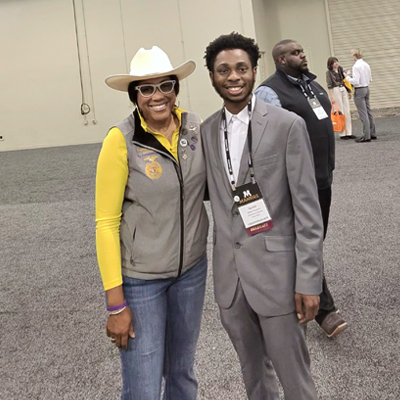
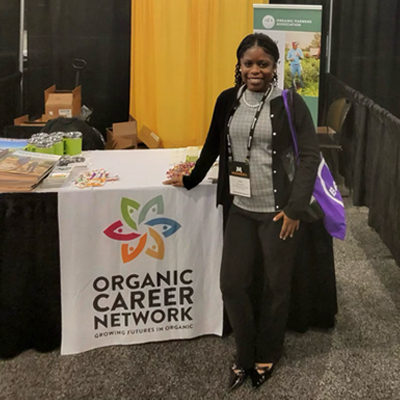
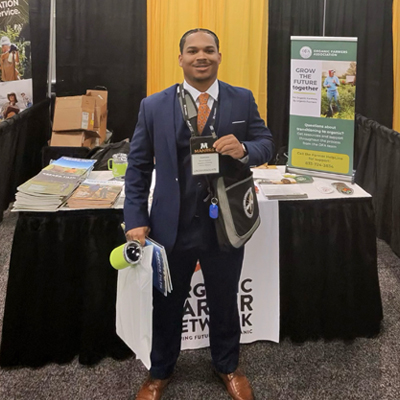
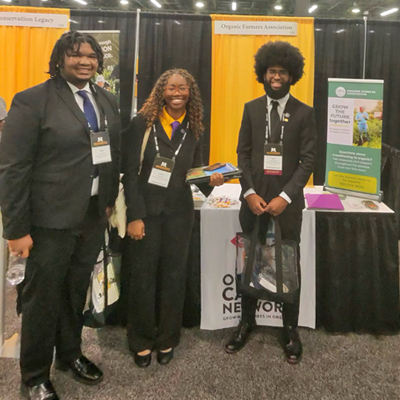
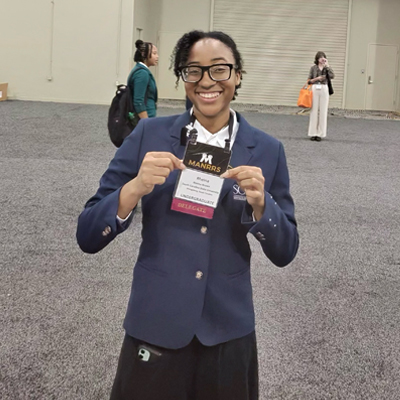
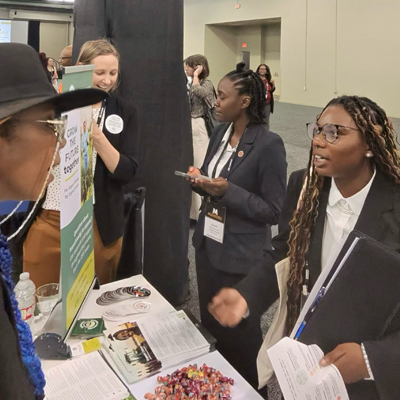
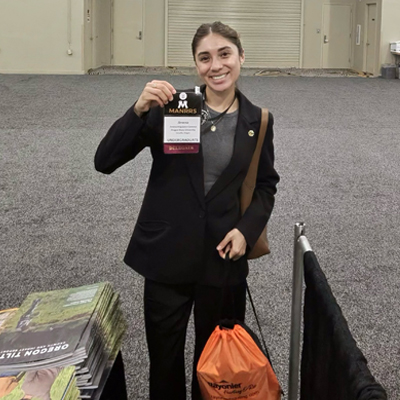
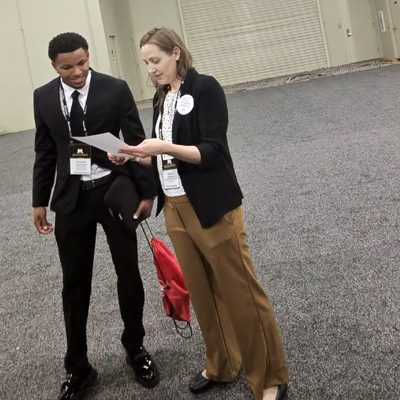
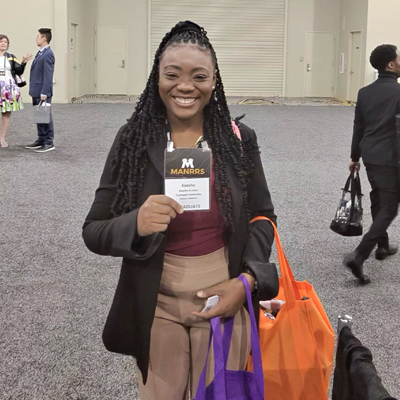
At the MANRRS 40th Annual Training Conference and Career Expo, leaders, students, and industry partners came together to mark four decades of cultivating talent across agriculture, natural resources, and related sciences. Centered on the theme “Leadership to Legacy,” the conference created space for connection through workshops, networking, and a career expo focused on the next generation of changemakers.
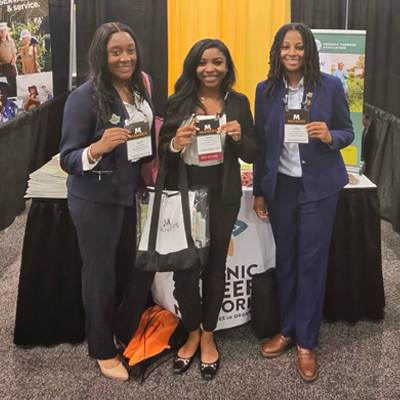
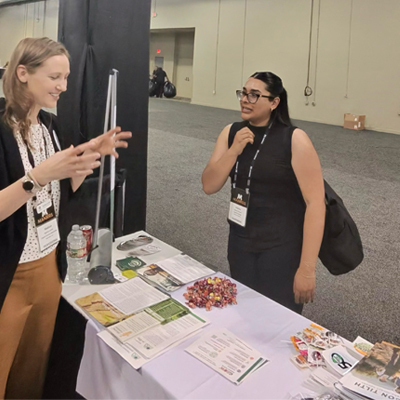
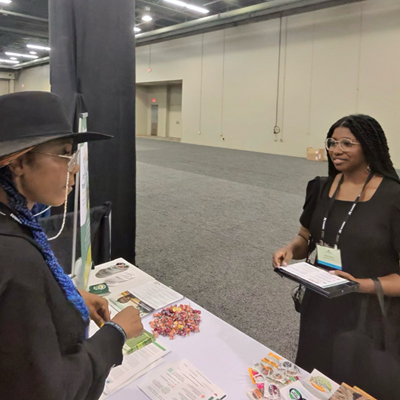
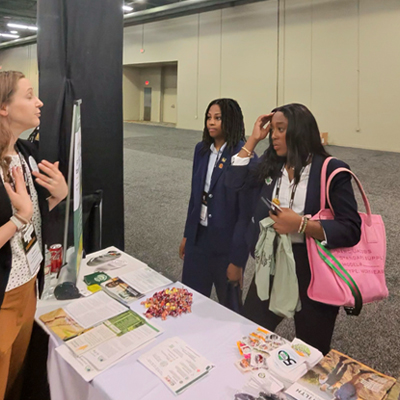
Oregon Tilth was grateful to be part of this year’s event, invited by the Organic Farmers Association (OFA) to table alongside them, as well as in partnership with Grow North Texas. Sharing space with organizations equally committed to advancing opportunity in agriculture strengthened the experience and expanded the conversations we were able to have with students exploring their path forward.
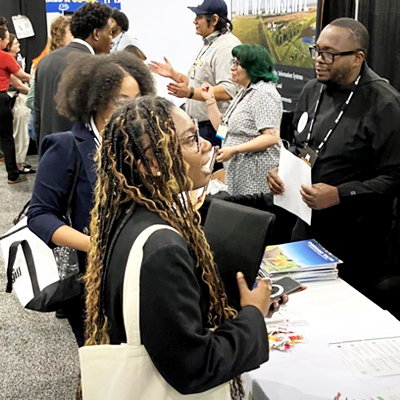
For Dr. Freeman, attending this milestone event wasn’t just about representing the organic sector; it was about meeting students where they are, recognizing their potential, and helping them see a future for themselves within the industry. In this conversation, he reflects on what inspired him most, the role of mentorship and authenticity in leadership, and why investing in emerging talent is critical to the future of organic.
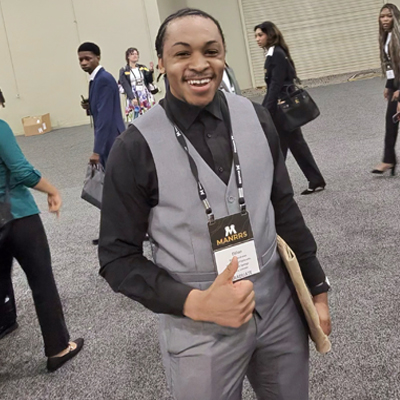
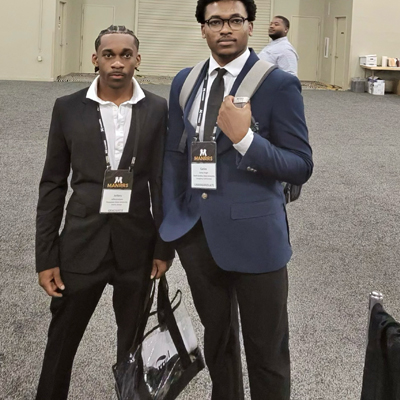
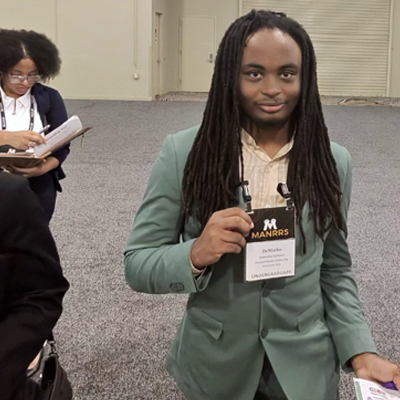
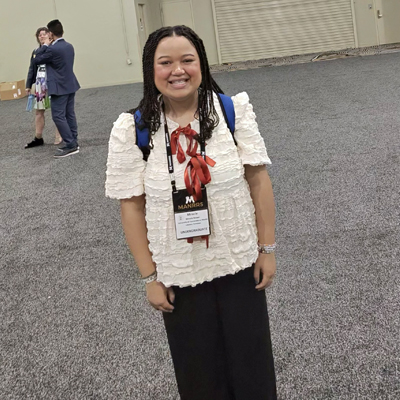
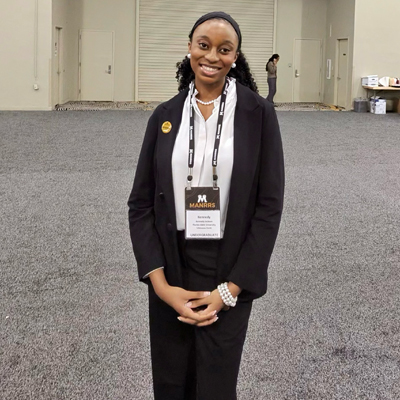
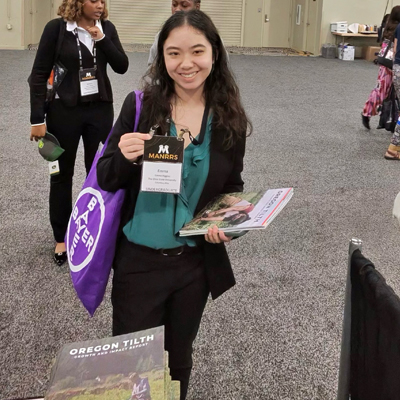
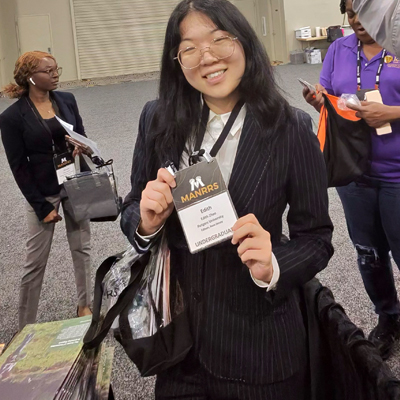
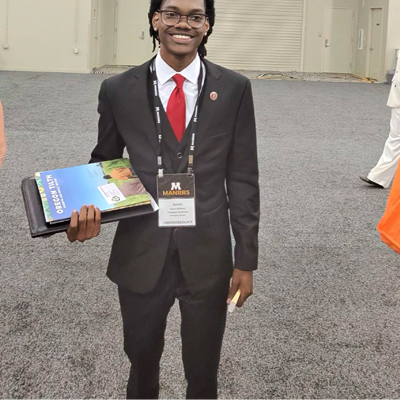
From Leadership to Legacy: The Faces of What’s Next
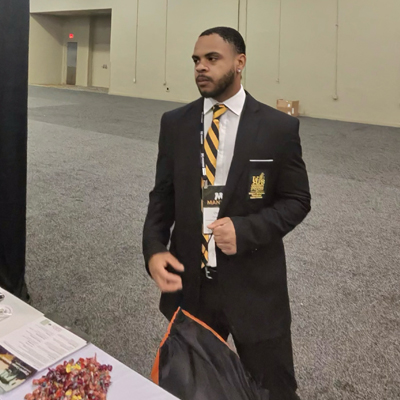
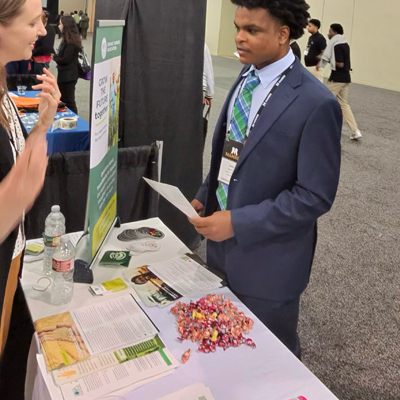
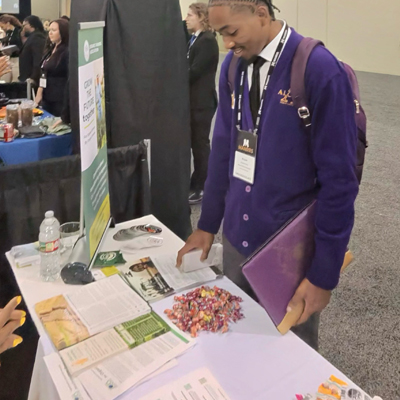
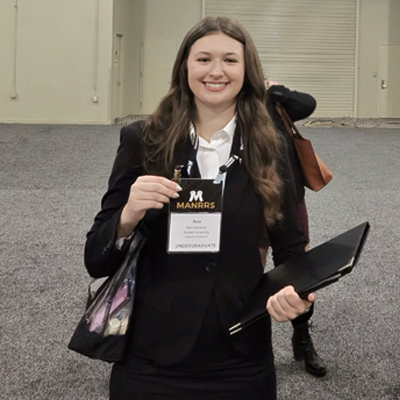
Q: What inspired you most during your time at the MANRRS conference, and how did it reinforce the importance of investing in the next generation?
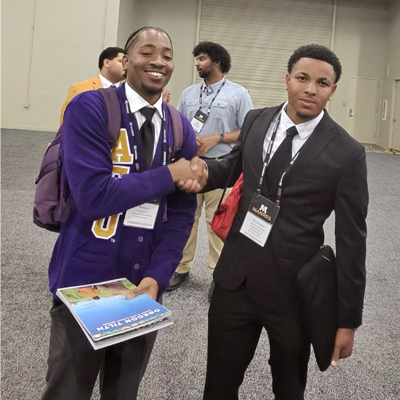
What stood out to me significantly was the level of preparation and intention the students brought. It was my first time attending, and I didn’t quite know what to expect, but every student showed up ready. They were dressed professionally, resumes in hand, and genuinely eager for opportunity.
They were hungry, not just for jobs, but for purpose. Even without years of experience, their drive and commitment to making a difference for people and the planet were clear. That’s what inspired me most.
It also made me reflect on my own journey. At that age, I wasn’t thinking about my career in that way. But this next generation already understands their purpose early on. Their confidence, their willingness to network, and their ability to communicate were impressive and inspiring. MANRRS created a space where they could truly show up, and honestly, I think we were the lucky ones to be there with them.
Q: Was there someone who inspired or mentored you early in your journey?
I’ve been fortunate to have many mentors along the way, but my high school principal, Dr. Wendell Brown, had a major impact on me. He showed me what professionalism looked like and helped shape how I saw myself.
I’ve also learned from leaders I’ve worked with throughout my career, including Michael Nguyen, Charles English, and Eddie Lincoln. Each of them helped guide me in different ways.
But the biggest lesson I’ve learned is that others often saw something in me before I saw it in myself. That realization changed everything.
I’ve also learned that there’s no single blueprint for success. Authenticity is your greatest asset. You don’t have to fit into every space; you can stand out. That’s something my mentors helped me understand, and I carry it with me every day.
What keeps you grounded when facing adversity or challenging times?
My grandparents.
They are a place of reflection for me. My grandfather, who passed away in 2021, was one of my biggest mentors. His perspective, his discipline, and his values shaped who I am. I used to go over to his house before big events just to have him tie my tie. It gave me confidence. It grounded me.
Even now, going back to my grandmother’s house reminds me of where I come from. It’s filled with memories, family history, and the values that raised me: kindness, respect, and humility.
That foundation is everything.
How have you navigated challenges related to identity and representation in your career?
I’ve always understood that what I do is bigger than me.
When I walk into a space, I know I’m not just representing myself, I’m creating opportunities for others who will come after me. That perspective keeps me focused.
I don’t believe in being silent just to make others comfortable. If something needs to be said, I say it. That comes with challenges, but it also comes with responsibility.
I often remind myself: weakness is a condition, but defeat is a conclusion. I may have difficult moments, but I don’t let them define me.
There’s also an understanding that in leadership, you will be held to a different standard. The pressure is real. But instead of resisting that, I accept it as part of the responsibility of opening doors for others.
It’s not always easy, and it’s often a thankless job. But the impact matters.
Q: How can the organic industry better support individuals interested in building a career in this field?
We have to help people see themselves in the industry.
That means being proactive, showing up at conferences, sharing opportunities, and having real conversations. There’s a diverse group of individuals who are interested in organic, and they’re knocking on the door. The question is: are we ready to let them in?
We also need to rethink how we define qualifications. Instead of focusing solely on years of experience, we should be asking: how can we grow talent?
Not everyone will come in with everything they need, but can we create an environment where they can learn and develop? Can we invest in potential, not just experience?
That’s how we build a stronger, more inclusive industry.
Q: What is something the next generation brings that the organic community needs?
Curiosity.
Curiosity leads to questions, and questions lead to growth. This generation cares deeply about sustainability and making a difference; they just need space to explore and contribute.
We have to be open to that. If we stay too rigid in our expectations, requiring years of experience before giving opportunities, we’ll miss out on incredible talent.
We need to create pathways, not barriers.
Q: The conference theme was “Leadership to Legacy.” What does that mean to you?
For me, it’s about creating something that outlives you.
Being “the first” isn’t what motivates me. I’m more focused on normalizing what should already be normal, equity, access, opportunity.
Legacy is about what you leave behind. It’s about ensuring that the work continues even when you’re no longer in that space.
At the conference, I felt I had limited time to make a lasting impression and help students believe there’s a place for them in this industry.
If they walk away knowing that someone in leadership is approachable, relatable, and invested in their success and that’s part of the legacy.
Q: What gives you the most hope for the future of organic?
The willingness of the next generation.
They want to be part of this work. They care. They’re ready. The industry will eventually have to make room for them, not just to participate, but to lead. And I believe we’re moving in that direction.
There are people and organizations who understand the importance of bringing in new voices and perspectives. The challenge is making that the norm, not the exception. That’s where the real opportunity lies.
Q: If you could leave students with one message as they step into their careers, what would it be?
Believe in yourself. Bet on yourself, always.
Be authentic. The right spaces will accept you for who you are. Don’t try to fit in—stand out.
You will have moments of self-doubt, and that’s okay. But when others doubt you, let that fuel you, not define you. Remember, people’s opinions of you are not your truth.
And courage doesn’t have to be loud. Being bold doesn’t mean being extreme. Sometimes it simply means showing up, being yourself, and committing to your journey every single day.
Fall in love with that journey.
As the organic industry continues to evolve, spaces like the MANRRS 40th Annual Training Conference and Career Expo play an essential role in shaping what comes next. By bringing together students, professionals, and organizations committed to growth and inclusion, the conference highlights both the legacy of the industry and the responsibility to carry it forward.
Dr. Freeman’s reflections make one thing clear: the future of organic careers is about people first that will steward systems and standards. And when curiosity is met with opportunity, and authenticity is met with support, the next generation isn’t just prepared to enter the industry; they’re ready to lead it.