
 Help Center


People, Plants and Pollinators: Exploring Organic Certification’s Role
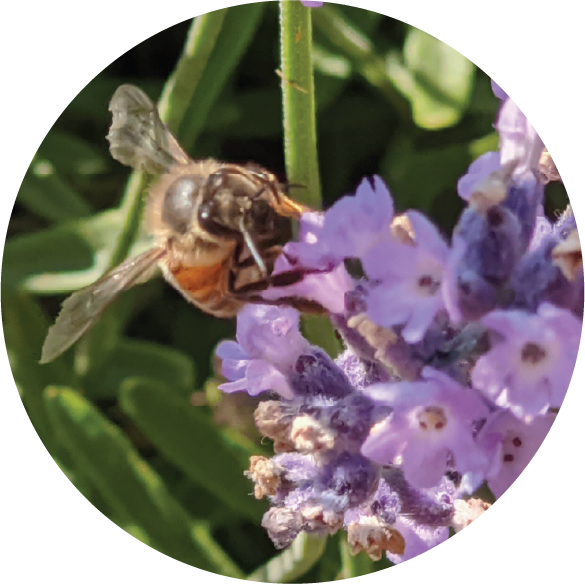
Organic agriculture comes to life through connection: to the land, to ecological balance, and to the people who steward farms, food systems and natural resources every day.
That connection was at the heart of a recent Oregon State University Bee Stewards Expert Lecture Series presentation featuring Matthew Molyneaux, Technical Specialist with Oregon Tilth. Hosted through OSU’s Pollinator Health Extension Program, the lecture explored the relationship between organic certification, farm management, biodiversity and pollinator health.
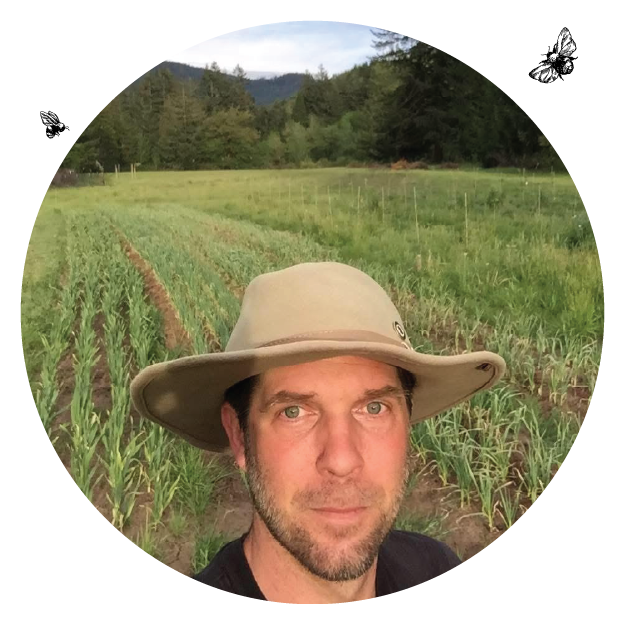
Matthew brought an insightful and experienced perspective to the conversation. Before joining Oregon Tilth, he spent more than 15 years as an organic inspector, visiting hundreds of farms across 23 states and inspecting a wide range of crop and production systems. He has also managed farms of his own in Northern California and Oregon, bringing both technical knowledge and lived farming experience to his work.
In his presentation, Matthew highlighted how organic certification is more than a label or compliance process. It is a systems-based approach that asks producers to consider how their practices support soil health, water quality, biodiversity, habitat and long-term farm viability. He connected the federal organic standards to practical, on-farm strategies that benefit pollinators, including cover cropping, crop rotation, buffer zones, hedgerows, natural resource conservation and intentional habitat management.
Throughout the lecture, Matthew grounded the technical aspects of certification in real-world examples from farms and landscapes, including his own experience stewarding pollinator habitat. He discussed the importance of maintaining flowering plants, protecting natural areas, creating habitat for beneficial insects and recognizing that pollinator support can happen at many scales, from large farm systems to backyard gardens and container plantings.
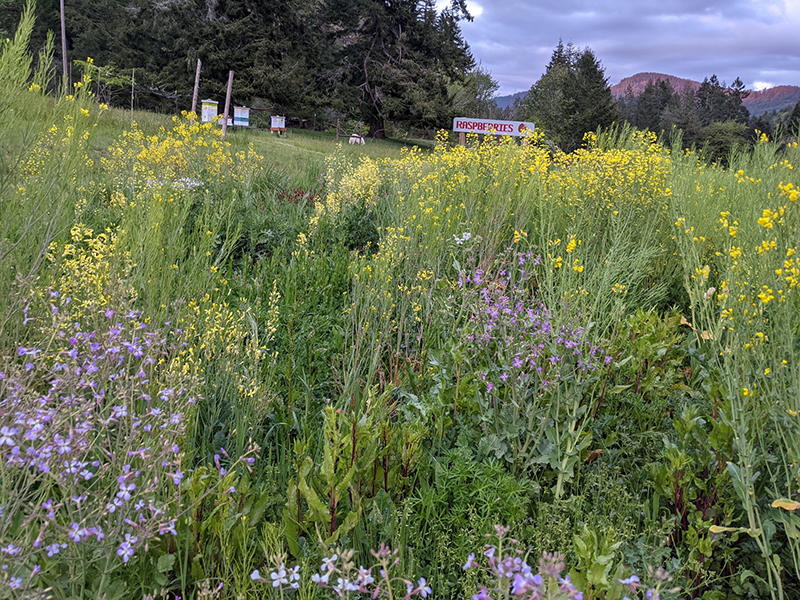
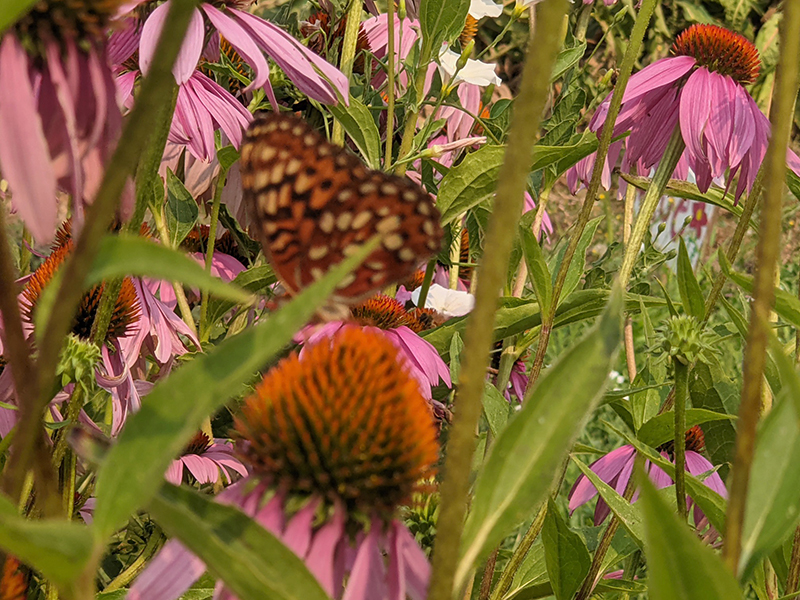
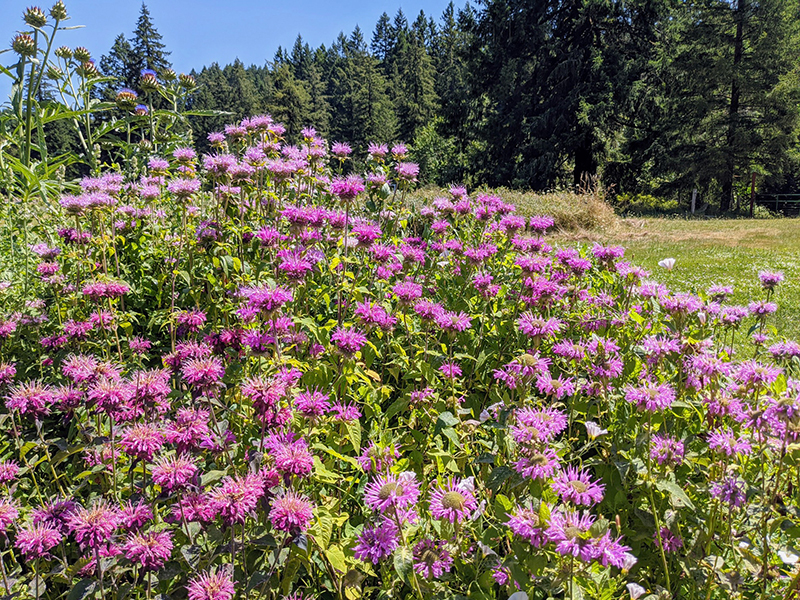
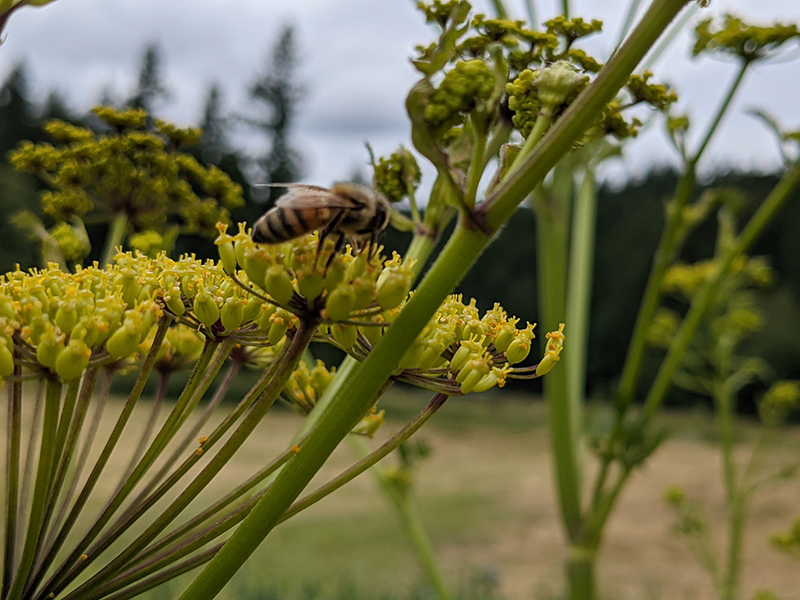
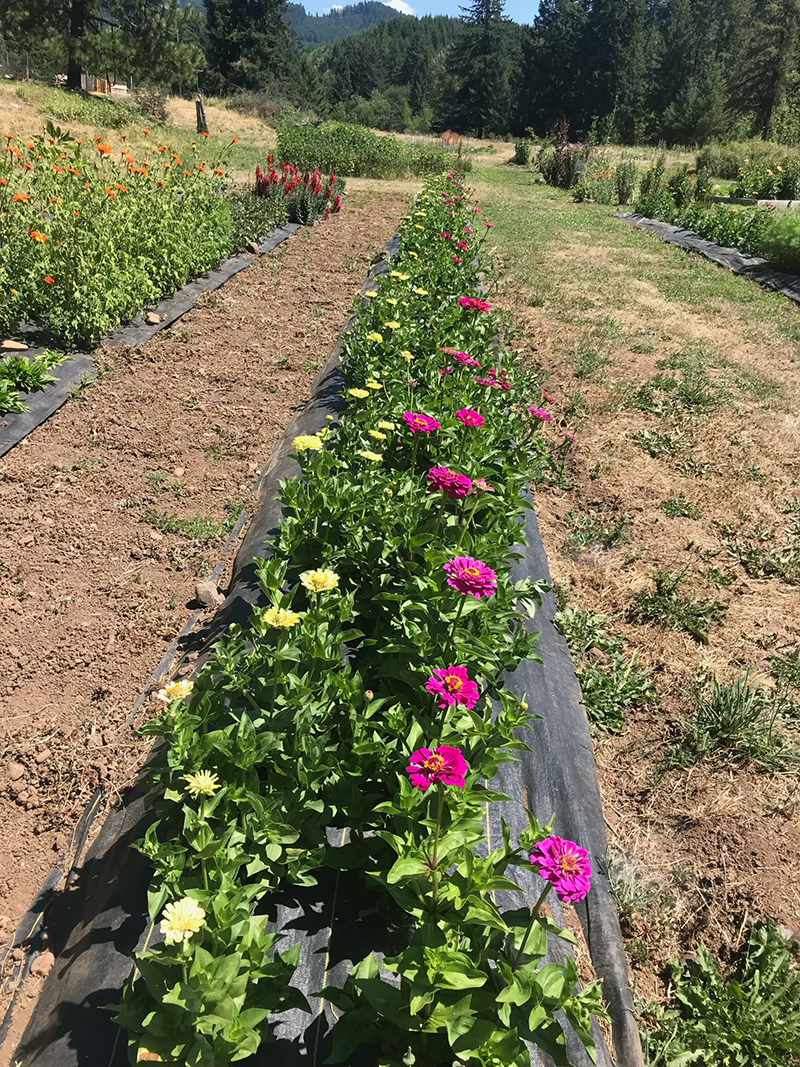
One of the most meaningful themes of the lecture was the relationship between people, plants and pollinators. Matthew reminded participants that pollinator health is not separate from agricultural health, and therefore not separate from human health. It is woven into how land is managed, how crops are grown and how communities choose to care for the ecosystems that support food and farming.
“The more we talk about people, plants, and pollinators, and how they intersect, the more we share our personal experiences and interactions with these natural systems, the more we advance these causes.” – Matthew Molyneaux, Technical Specialist, Oregon Tilth
Oregon Tilth is grateful to Oregon State University, the OSU Pollinator Health Extension Program and the Bee Stewards program for creating space for this important conversation. Their continued research, education and outreach provide meaningful support to farmers, advocates, students, land stewards and community members working to protect pollinators and strengthen sustainable agriculture.
We are also proud to celebrate Matthew’s participation in this series. His expertise, passion and commitment reflect the care and thought leadership Oregon Tilth staff bring to the organic community every day. Opportunities like this help amplify the broader purpose of organic certification: supporting practices that build trust, protect natural resources and contribute to thriving agricultural systems for people, plants and pollinators alike.