
 Help Center


At Oregon Tilth, we view organic certification as part of a larger, living system, grounded in stewardship, transparency, and a shared responsibility to protect the integrity of our food and agricultural systems. Certification is not an end in itself, but a meaningful starting point. It’s a way to translate organic values into consistent, verifiable practices that build trust across the supply chain.
Central to this process is the Organic System Plan (OSP) which is not only a requirement but the foundation of your organic certification. It documents how your operation functions in practice, how decisions are made, risks are managed, and organic integrity is maintained day after day. The Organic System Plan serves as your application to become certified organic, providing your certifier insight into the ins and outs of your operation. Whether you farm, raise livestock, or handle organic products, your OSP serves as both a reflection of your operation today and a roadmap for maintaining compliance as your business evolves.
What Is an Organic System Plan?
The Organic System Plan (OSP) is an important living document that describes how your operation complies with USDA National Organic Program (NOP) standards. It describes your operation’s activities and recordkeeping system outlining the practices, procedures, and controls you use to protect organic integrity during production, and handling.
Your OSP is reviewed when you first apply for certification, verified during inspections, and evaluated again during final review of the inspection report. You must update your OSP whenever changes occur. Keeping it accurate and up to date is essential to maintaining certification.
Why the OSP is so Important
- Foundation for Certification: The Organic System Plan (OSP) is a written plan that explains how your operation produces or handles organic products in compliance with organic standards. It is reviewed and approved by Oregon Tilth, and it describes all activities, practices, and procedures used to manage organic production or handling. Providing clear and complete answers helps reviews move faster and reduces requests for additional information.
- Risk Management and Traceability: By clearly describing production systems and supply chains, the OSP helps prevent commingling, contamination, and fraud, protecting organic integrity from farm to market.
- Operational Clarity and Continuous Improvement: Many operators find that keeping their OSP up to date helps improve organization, recordkeeping, and overall efficiency which leads to stronger internal controls.
- Inspection Readiness: During the inspection, the inspector verifies that your practices match what is described in your OSP. Keeping your practices aligned with your OSP helps streamline the inspection process.
Completing Your OSP by Certification Scope: Key OSP Focus Areas
Organic Crop Certification
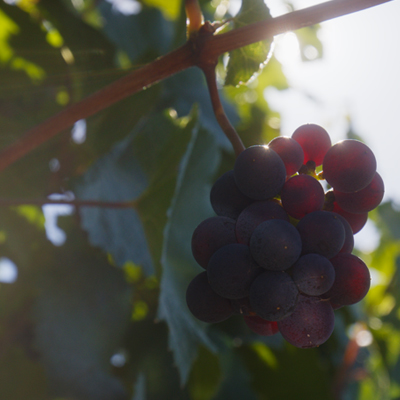
For crop operations, the OSP documents how land, soil, inputs, and harvest practices support organic production. This includes land history, seed sourcing, soil fertility management, pest and weed prevention strategies, natural resource protection, contamination prevention, and recordkeeping systems. Consistency between field practices, records, and your written plan is critical.
Organic Livestock Mammals Certification
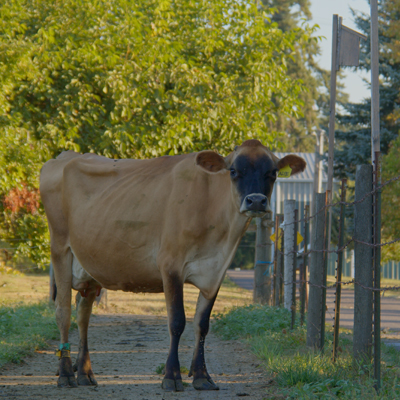
Livestock OSPs describe animal origin, feed and water sources, healthcare practices, living conditions, pasture management, and product handling. Recordkeeping supports traceability and preventive care.. Your OSP should clearly show how animal welfare and organic integrity are maintained throughout the animal’s lifecycle.
Organic Avian (Poultry) Certification:

For avian operations, the OSP documents how poultry are raised, managed, and cared for in compliance with organic standards. This includes flock origin, feed and water sources, healthcare and preventive practices, living conditions, outdoor access, and biosecurity measures. The OSP should also describe how housing, pasture or outdoor areas, and recordkeeping systems are managed to support traceability and inspections. Clear and consistent records help demonstrate animal welfare, organic integrity, and compliance throughout the flock’s life.
Organic Handlers and Processors Certification
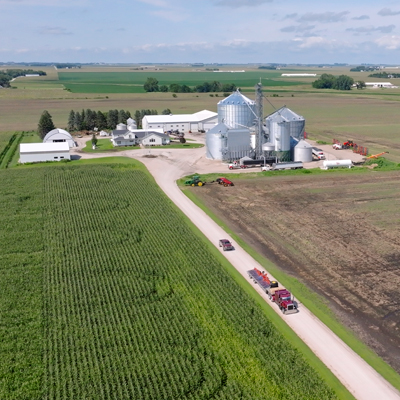
For handlers and processors, the OSP captures how organic products are received, stored, processed, packaged, and shipped while maintaining segregation and traceability. This includes facility layouts, sanitation practices, ingredient sourcing, product formulations, and recordkeeping systems.
Organic Fraud Prevention Plan

If you are certified organic, you must complete an Organic Fraud Prevention Plan (OFPP) as part of your OSP. This plan explains how you monitor your operation and supply chain, verify suppliers and incoming organic products, and prevent fraud, including how often these activities take place.
Key OSP Principles Across All Organic Operations
- Clear and Complete
Not all questions apply to every operation. If a question does not apply, mark it as “Not Applicable” instead of leaving it blank. - Alignment Between Plan and Practice
Your written plan should reflect your actual practices. Update your OSP whenever changes to inputs, products, land, or processes occur. - Accurate Materials and Input Lists
All inputs must meet organic requirements. Keeping materials lists current helps prevent inspection issues or noncompliances.
- Good Recordkeeping Practices
Records are important to demonstrate compliance and should support what is described in your OSP. This may include sales records, invoices, production logs, inventory records, and organic certificates, etc.. - Traceability and Segregation
Maintaining clear separation between organic and non-organic materials and products is required at every stage of production or handling.
Support Throughout Your Organic Certification Journey
Oregon Tilth’s role extends beyond certification decisions. Our certification, education, and client services teams are here to support you with guidance, educational resources, walkthrough videos, and personalized assistance.
If questions arise or changes are on the horizon, we encourage you to reach out to our certification team at getcertified@tilth.org.
Organic certification is a collaborative process grounded in trust, communication, and shared responsibility, and your Organic System Plan is where that partnership begins. Our team is here to support you every step of the way with guidance, education, and practical resources.
Ready to dive deeper?
Explore our Organic System Plan (OSP) Walkthrough video series at: oregontilth.link/OSPWalkthroughVideo, where we guide you through each section of the Organic System Plan with clear explanations, helpful tips, and real-world context so you can complete your OSP with confidence and clarity.
Together, we’re building a resilient, values-driven food system, grounded in integrity and strengthened through connection.